Buying a Classic Mini Project
We are frequently asked about sourcing restoration projects for our customers. This is now becoming a popular way to buy a Classic mini on a limited budget.
We are frequently asked about sourcing restoration projects for our customers. This is now becoming a popular way to buy a Classic mini on a limited budget.
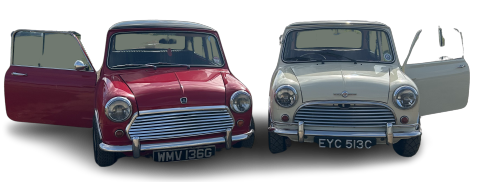
Firstly, let us consider why so many of these projects are started but never finished. We think the answer is that people get too carried away at the point of buying their intended project and do not consider their own capabilities and the costs that are involved.
Two core techniques are usually required to complete a restoration, the ability to weld and thereafter to paint the car. So if you cannot weld, seek professional guidance and get some costings before you buy the project car. Most tradesman are able to give a price indication if shown good quality digital photographs. Respray costs vary significantly, so talk to your local bodyshops
When buying a project car you must appreciate it will need significant work to get the car roadworthy. Ensure that you inspect the car in detail, read our “What to look for” page, these are the areas that will need inspection and possibly rectification. You are better off in many cases buying from specialists, they know how to appraise a car correctly and will describe the car as it really is. Buying from non specialists whose knowledge is limited is a precarious practice as you may be biting off more than you can chew. Replacing outer sills is hard enough, replacing the full inner sill is a lot more involved!
When deciding on your project car concentrate on vehicle structure, inspect all mini rust areas with a light hammer and take a magnet along, as magnets to not attract to body filler!! Do not be attracted by a walnut dashboard or alloy wheels. Check that the registration document is present and the details match the car, check engine number and chassis plate. It is always worth while checking that the car has not been previously written off. Whilst the engine is obviously a handy addition, do not be too put off it it will not start, engines, especially 998cc units are cheap enough to pick up even now. A 1275cc unit though will be significantly more expensive as they are a more wanted commodity.
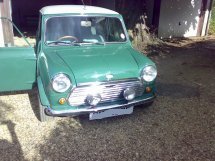
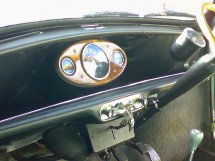

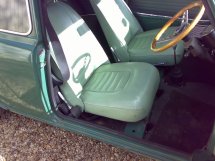
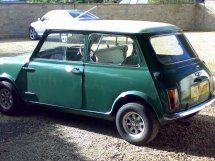
A gentleman bought this car in January 2008, it was described as just needing the brakes repairing and the micro blistering on the paintwork resolving, being a genuine MKII Cooper the new owner paid £4,500 for it.
He did not initially check whether the engine or in fact the car was a genuine Cooper, fortunately when we did do all the checks it did came up as the genuine article. He saw the twin SU’s, the sexy leather seats, the cute alloys and he soon parted with his money!
The car was taken to a bodyshop for an estimate for repainting. The car was fully inspected and the report was as follows:
The car is currently being restored, in view of the volume of work required and all the hidden bodging a firm price cannot be established, but he was told the bill will not be LESS than £4,000. That makes a very expensive MKII Mini Cooper when you add on the purchase price.
Buying a mini project car is a mine field. If you settle on a car like the one above you might as well buy a fully restored car now, as it will be cheaper and a load less stressful. If not planned thoroughly, restoration work budgets are easily exceeded; therefore, it is vital to inspect every facet of the car you intend to buy.
Also, consider taking the car for a MOT, this will give a clear indication of what you are taking on. I appreciate that an MOT costs £50, but far better to spend that, than get involved with a car similar to the Cooper used for this example
To conclude, collect quotes for labour costs and all the parts required before purchasing a project car. Otherwise your project will remain just that and your garage will remain looking like a scrap yard! At Rutland Minis, we now undertake restoration works on customers cars.
If you’re looking for more support and advice with your classic mini project, contact us at Rutland Minis


